Essential Guide to Water Heater Repair

Important Basics to Know About Water Heater Repair

Water heater problems often begin subtly, manifesting as lukewarm water, increased utility bills, or unusual noises that many homeowners might initially overlook. For those without technical knowledge, pinpointing the issue can feel confusing and overwhelming. This guide is specifically designed for homeowners unfamiliar with how water heaters work. It breaks down the basics of water heater repair, providing clear tips to recognize early warning signs and know when to seek professional help.

Signs Water Heater Repair Is Needed
shower Water heaters often exhibit subtle warning signs well before they fail. Catching these early problems can help avoid costly breakdowns and emergency replacements. One of the most noticeable issues is inconsistent or insufficient hot water, which may result from a faulty thermostat, worn-out heating elements, or sediment buildup inside the tank. Unusual sounds, such as popping or rumbling, often indicate that sediment is settling at the bottom, disrupting the heating process.

A sudden spike in energy bills can also indicate that the water heater is struggling to operate efficiently, especially if it has to work harder to maintain the right temperature. For gas models, a pilot light that frequently goes out can suggest issues with the thermocouple or the gas supply. Changes in water quality, such as discoloration, metallic tastes, or unpleasant odors, often signal internal corrosion or bacterial contamination that needs prompt attention. Lastly, any visible leaks around the base of the heater should not be ignored, as even minor leaks can cause serious water damage if left untreated.

Common Water Heater Issues

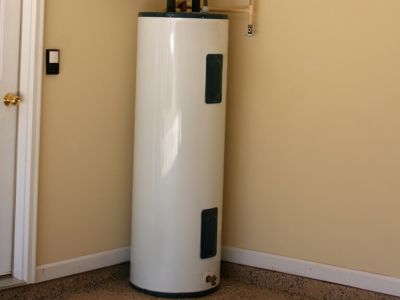
water heater Water heaters can experience a range of issues, and understanding these common problems helps homeowners select the most suitable solution. A frequent concern is a pilot light that won’t stay lit, often caused by a faulty thermocouple sending incorrect signals to shut off the gas valve. Similarly, a damaged pilot assembly can prevent the burner from igniting properly.

Temperature problems arise when thermostats fail or electric heating elements wear out, leading to inconsistent or insufficient hot water. Sediment buildup inside the tank can further reduce efficiency by insulating the heating elements, causing the system to work harder and sometimes produce strange noises or discolored water.

In regions with hard water, sediment accumulates faster, which can result in rust-colored water and accelerate wear on internal parts. Ignoring these signs can cause more severe damage, making repairs more complicated and costly over time.

When Is Replacement Needed Rather Than Repair?

While many water heater problems can be repaired, there are times when replacement is the more practical solution. Age is often the determining factor; traditional tank systems generally last between 8 and 12 years, while tankless units can function for up to 20 years. If a unit is approaching the end of its expected lifespan and the cost of repair is more than half the cost of a new system, replacement is typically the better option.

Frequent breakdowns are another sign that a system may be reaching the end of its useful life. Additionally, visible corrosion on the tank or around plumbing connections often indicates internal damage that cannot be repaired. Changes in water quality, such as rust-tinted or metallic-smelling hot water, may also indicate serious internal corrosion.

According to the Department of Energy, replacing an old or inefficient water heater can reduce water heating costs by up to 20%. In cases where repairs are becoming more frequent and costly, investing in a new unit can offer improved efficiency, lower utility bills, and greater peace of mind.

About the Great Day Plumbing & Air

Great Day Plumbing & Air serves Wilmington and Hampstead, NC, with reliable plumbing and services. The team delivers quality work, same-day service, and upfront pricing, all backed by experienced technicians and a satisfaction guarantee. They offer honest and efficient solutions tailored to each home. Call them for expert water heater repair in Wilmington, NC.

Distribution Links +

The Importance of Scheduling Routine Plumbing Maintenance

Benefits of Plumbing Maintenance

Plumbing maintenance might seem like a chore, but investing in regular check-ups can yield significant returns. Professional plumbing maintenance services offer a proactive approach to ensure optimal efficiency and functionality of the home’s plumbing system. This post will discuss the advantages of scheduling annual plumbing maintenance. 

Better Efficiency

save money Annual plumbing maintenance is a cost-effective strategy to enhance the efficiency of the home’s plumbing system. During a plumbing maintenance visit, skilled plumbers are trained to identify and fix water leaks that often go unnoticed. If left unchecked, these tiny leaks can lead to considerable water loss. 

Prompt water leak detection and prevention not only curtail water waste but also improve the overall water efficiency of the home. Enhanced water efficiency directly translates to lower water bills, as homeowners avoid paying for water that is wasted due to leaks.

Another significant aspect of plumbing maintenance is water heater maintenance. A well-maintained water heater operates more efficiently, thereby consuming less energy. 

Regular inspection and maintenance by a professional plumber ensures that the water heater is devoid of sediment buildup, which is a common cause of inefficiency. This attention to detail not only prolongs the water heater’s life but also results in noticeable savings on utility bills.

By addressing these critical components, regular maintenance ensures that the home’s plumbing system runs at peak efficiency, contributing significantly to cost savings.

Fewer Problems and Repairs

leak One of the most compelling reasons to prioritize plumbing maintenance is its ability to minimize issues and reduce the need for repairs. Through systematic evaluations of the plumbing system, plumbers are able to keep a close eye on its condition. 

Identifying potential problems in their infancy ensures that minor issues do not snowball into major complications. Homeowners who make maintenance a priority experience a lower incidence of plumbing repairs, as potential dangers like blockages and leaks are caught early and remedied swiftly.

Regular maintenance also allows plumbers to perform necessary tweaks and repairs before they escalate into larger, more expensive projects. By addressing issues, such as water pressure issues, early, plumbers prevent them from developing into more costly problems and repairs, thereby averting unexpected stress for homeowners.

Regular plumbing maintenance, therefore, safeguards the plumbing and reduces the likelihood of needing sudden plumbing repair, ensuring a smoother-running plumbing system with fewer disruptions.

Longer Lifespan

Routine plumbing maintenance is indispensable for extending the lifespan of plumbing systems and their components. Consistent maintenance checks and tasks by expert plumbers help mitigate the effects of wear and tear on pipes, water heaters, and other fixtures. 

Over time, components of the plumbing system experience natural degradation due to constant use. However, when maintenance includes comprehensive cleaning, real-time adjustments, and minor part replacements as needed, the overall stress on these components is considerably reduced.

With routine maintenance, plumbers can evaluate and maintain the health of pipes and fixtures, allowing them to function longer than they otherwise would. This not only defers the need for premature plumbing replacement but also protects homeowners from the financial burden of frequent replacements of parts that should have considerably longer service lives.

For example, maintenance tasks such as replacing the anode rod during water heater maintenance help prevent corrosion that shortens the unit's lifespan. By ensuring that pipes and fixtures are preserved in optimal condition through regular care, homeowners can enjoy long-lasting performance from their plumbing systems, maximizing their initial investment and delaying the expense of new plumbing infrastructure.

About Great Day Plumbing & Air

Great Day Plumbing & Air offers a wide range of services, from repairing leaks and clogs to installing new HVAC systems. Their team stands behind it with a 100% satisfaction guarantee. Call them today for plumbing services in Hampstead, NC.

Distribution Links +

Smart Ways to Avoid and Detect Toilet Troubles

How to Better Care for a Home’s Toilets

Tired of unexpected breakdowns that disrupt the morning routine? Ways to Prevent and Identify Toilet Problems delivers expert-backed advice designed to help homeowners avoid costly repairs and plumbing emergencies. This practical guide provides reliable troubleshooting tips and expert insights to help keep bathrooms running efficiently. From recognizing early warning signs to implementing simple preventive measures, these strategies bring lasting peace of mind and confidence in maintaining one of the home’s most essential fixtures. Dive into a smarter approach to toilet care with trusted solutions from plumbing professionals.

Signs a Toilet Needs Repair or Replacement

toilet Toilets often show early signs of potential failure. A constantly running unit can lead to significant water waste. Leaks around the base typically signal a failed wax ring or cracked porcelain. Frequent clogs may indicate underlying drainage problems that are beyond the scope of a plunger. Weak or partial flushes often result from worn-out internal components or restricted water flow. Even small cracks in the tank or bowl can compromise the structural integrity and lead to more severe damage over time.

Toilets requiring frequent repairs or those over 25 years old often lack modern efficiency features, using more water per flush than necessary. Replacing outdated units with high-efficiency models can reduce water usage and improve overall performance.

Tips for Preventing Toilet Clogs

toilet Avoiding toilet clogs starts with careful usage. Only human waste and toilet paper should be flushed down the toilet. Items like paper towels, wipes, dental floss, and hygiene products do not break down properly and can cause blockages. Even excessive toilet paper can overwhelm a system. If needed, flushing in smaller amounts helps prevent buildup.

For families, especially those with young children, clear rules and accessible trash bins help prevent inappropriate flushing. Regular enzyme-based drain treatments can reduce the risk of organic buildup in pipes. Most clogs are preventable with good habits and occasional maintenance.

How Sewer Lines Impact Toilets

Sewer line problems often manifest through toilet performance issues such as repeated clogs, slow flushing, or backflow. Blockages in the main sewer line prevent waste from exiting the home, resulting in disruptions to multiple plumbing fixtures.

Gurgling sounds when flushing can indicate trapped air caused by partial clogs. Flushing inappropriate materials may not cause immediate issues in a toilet, but can accumulate in sewer lines, especially at pipe joints or where roots intrude. Over time, this buildup can lead to severe obstructions affecting the entire drainage system. Proper flushing habits and routine inspections are key to preventing sewer-related toilet problems.

About Great Day Plumbing & Air 

Great Day Plumbing & Air is a trusted name in Wilmington, NC, known for delivering quality work backed by a team of experienced technicians. From plumbing repairs to full HVAC installations, the company is committed to dependable service and tailored solutions. With a strong focus on customer satisfaction and professional integrity, Great Day Plumbing & Air remains a trusted provider of reliable home comfort services. For reliable clogged toilet repair in Wilmington, NC, call them!

Why You Should Install a Water Filtration System

The Importance of Installing a Whole House Water Filter

A high-quality water filtration system provides households with clean, safe drinking water by removing harmful contaminants and improving overall taste. By eliminating pollutants, these systems offer a reliable solution for better health and long-term peace of mind. Poor water quality can pose significant risks, but advanced filtration technology ensures fresh, purified water for daily use. This guide explores the lasting benefits and practical advantages of investing in a water filtration system to create a healthier and more efficient home.

What Do Water Filtration Systems Do?

Water filtration systems are essential for removing impurities and contaminants from household water supplies, providing safer and cleaner water for everyday use. By employing advanced filtration technologies, these systems effectively eliminate particles and chemicals that municipal treatment often neglects. Depending on the specific system, filtration can thoroughly remove sediment, chlorine, heavy metals, and microorganisms, ensuring homeowners have access to high-quality water at all times.

Most home filtration systems employ a robust multi-stage purification process. First, a sediment pre-filter captures larger particles, including rust, sand, and debris. Next, an activated carbon filter decisively removes chlorine, volatile organic compounds (VOCs), and any substances that compromise taste and odor. Advanced systems also incorporate specialized media to target contaminants like lead, arsenic, and fluoride.

A good filtration system can eliminate up to 99% of common stuff that contaminates water, and it has perks beyond just making your drinking water better. Filtered water can reduce mineral buildup in appliances, helping them last longer. Plus, shower filters can reduce chlorine exposure, which prevents dry skin and brittle hair. Knowing how filtration works can help homeowners pick the right system for their water quality issues.

Benefits of Water Filtration Systems

water Installing a whole-house water filtration system is a transformative upgrade that enhances water quality throughout a home. These advanced systems remove contaminants, chemicals, and sediment before the water reaches any faucet, ensuring clean water flows through every pipe. Every drop from morning showers to kitchen sinks is purified, benefiting household members and appliances.

A high-quality filtration system helps extend the lifespan of water-using appliances by reducing mineral buildup and corrosion. According to the Water Quality Association, appliances operating with filtered water can last 30-50% longer than those using unfiltered water. Additionally, removing chlorine and other harsh chemicals preserves fabric brightness in laundry and helps maintain healthier skin and hair. Even everyday essentials, like coffee and tea, taste noticeably better when made with filtered water.

Beyond these immediate advantages, whole-house water filtration provides significant long-term savings. Reducing reliance on bottled water can save hundreds of dollars annually while reducing plastic waste. Many homeowners also experience fewer plumbing issues since cleaner water prevents sediment buildup in pipes. With lower maintenance costs, improved efficiency, and enhanced water quality, a whole-house filtration system is a valuable investment.

Signs a Home Needs a Water Filtration System

sinkAn unpleasant taste or odor in tap water indicates that a home may need a water filtration system. A metallic, sulfuric (rotten egg), or chlorine-like taste often indicates the presence of dissolved metals, bacteria, or excessive treatment chemicals. Drinking water should be clean and refreshing, not compromised by contaminants. Home water quality testing kits can help identify potential issues before investing in a filtration solution.

Visible sediment or discoloration is another strong indicator of water quality concerns. Brown, yellow, or cloudy water may suggest rust, iron, or suspended particles flowing through the plumbing system. Additionally, mineral deposits or scale buildup on faucets, showerheads, and appliances signal hard water—high in calcium and magnesium. These deposits cause unsightly stains and contribute to premature wear on household equipment.

Persistent plumbing problems and frequent appliance breakdowns can also point to water contamination. Water heaters, dishwashers, and washing machines deteriorate more quickly when processing hard or contaminated water. According to the Water Quality Association, hard water can reduce the lifespan of major appliances by up to 30%. Furthermore, recurring skin irritation, including dryness, itchiness, or rashes after showering, may indicate exposure to harsh chemicals. Installing a water filtration system enhances home efficiency and personal well-being, transforming daily water use from a concern into a source of confidence.

About Great Day Plumbing & Air

Great Day Plumbing & Air is a trusted contractor serving Wilmington and Hampstead, NC, specializing in plumbing and HVAC services. Committed to quality, integrity, and customer satisfaction, the team provides prompt, reliable solutions with upfront pricing and same-day service. Whether repairing leaks, installing HVAC systems, or offering tailored solutions, Great Day Plumbing & Air goes the extra mile to ensure every customer feels valued. Backed by a 100% satisfaction guarantee, the company prioritizes professionalism, innovation, and respect for every home and business it serves. Call them for a trustworthy water filtration system service in Wilmington, NC!

Why a Water Softener Installation Is Beneficial for Appliances That Use Water

How Hard Water Negatively Impacts Appliances

If homeowners have ever noticed chalky residue on faucets, spotted dishes straight out of the dishwasher, or wondered why their water-using appliances seem to be working less efficiently or have shorter lifespans than expected, hard water can be the culprit. This common household issue affects roughly 85% of homes in the United States, and while it may seem like a minor inconvenience, hard water can significantly impact appliances that use water.

The high mineral content in hard water, particularly calcium and magnesium, has harmful effects on appliances, the plumbing, and the hair and skin of household residents. However, the effect of hard water on appliances and the plumbing system can lead to costly issues. The best way to eliminate the negative effects of hard water is with a water softener installation. This post will help homeowners better understand how hard water affects the home's appliances that use water and the benefits of installing a whole-home water softener for these appliances. 

Water Heaters

water heater Hard water poses significant challenges for water heaters, primarily due to the accumulation of mineral deposits, particularly calcium and magnesium. As water is heated, these minerals form a thick layer of scale on heating elements and tank walls. This buildup acts as an insulator, forcing the water heater to work harder and consume more energy to achieve the desired water temperature. This results in reduced efficiency and increased utility bills.

Over time, the scale accumulation can also become severe enough to cause premature failure of heating elements in water heaters or damage to the tank itself. Traditional water heaters typically have a life expectancy of 10-15 years. However, hard water can shorten the lifespan of water heaters, requiring water heater replacement and the associated costs earlier than expected. Installing a whole-house water softener can prevent the higher operating costs and shorter lifespan of water heaters from hard water.

Dishwashers

dishwasherHard water can also impact a dishwasher's performance and longevity, primarily due to the accumulation of calcium and magnesium deposits. These mineral deposits gradually build up within the appliance's components, including spray arms, heating elements, and water lines, reducing water flow and heating efficiency. Over time, this mineral buildup can lead to clogs, inefficiency, and decreased cleaning effectiveness. Hard water can also reduce a dishwasher's lifespan, forcing homeowners to replace their appliances earlier than expected.

Hard water also has more immediate effects on dishwashers. Dishes frequently emerge from the dishwasher after being cleaned in hard water with white spots or a cloudy film despite being clean. These aesthetic issues occur because mineral deposits remain on dishes after the water evaporates during the drying cycle. Additionally, hard water buildup forces the dishwasher to work harder to achieve the same results, leading to increased energy consumption and higher utility bills. A water softener installation can prevent these issues, leading to cleaner-looking dishes, a longer lifespan for the dishwasher, and better energy efficiency.

Washing Machines

Hard water can also significantly impact the performance and longevity of washing machines through the continuous buildup of mineral deposits. These minerals accumulate in vital components such as water inlet valves, hoses, and the drum itself, gradually restricting water flow and reducing operational efficiency. As the machine works harder to compensate for these restrictions, it consumes more energy, leading to higher electricity bills. Additionally, the scale buildup can cause additional stress on parts, reducing the appliance's lifespan and necessitating early replacement.

The effects of hard water also extend beyond the appliance itself, directly affecting laundry quality and garment longevity. When clothes are washed in hard water, mineral deposits become trapped in fabric fibers, causing them to feel stiff and uncomfortable. Additionally, constant exposure to mineral-rich water can cause colors to fade more quickly and fabric fibers to break down faster, leading to premature wear and tear of fabrics and clothing items. This combination of reduced lifespan and accelerated fabric degradation means homeowners must replace both their washing machines and their wardrobes more frequently with hard water. However, by installing a water softener, the washer will last longer without needing a replacement, it will work more efficiently, and clothes will feel softer and last longer.

About Great Day Plumbing & Air

Great Day Plumbing & Air is a local company serving Wilmington, NC, and New Hanover County. They offer upfront pricing, same-day service, and an on-time guarantee. Call them for water softener installation and services in Wilmington, NC

Take Control of Hard Water Problems with a Water Softening System

Hard Water Has Lasting Impacts

For some homeowners, hard water is a terrible nuisance. What many homeowners fail to realize is that it’s far more than just an annoying side effect. It’s a common issue and it can affect the quality of water used for daily tasks, as well as the plumbing or the home’s appliances. Persistent hard water issues can typically only be resolved with a whole-house water softener system, which will help to remove the impurities and provide better water throughout the home. 

Signs a Home Has Hard Water? 

dry hair If you're wondering whether your home has hard water, you can usually tell quite easily by looking for staining and residue left by the minerals. While it's not harmful to drink, cook with, or even clean using hard water, it can still lead to various problems.
Here are some great ways to determine if the home might have hard water: 

  • Dry skin or nails that just can’t get enough moisture
  • Glassware that is spotted after washing
  • Stains or mineral deposits on water fixtures in the home
  • Faded or dull clothes after washing
  • Scale buildup in the home’s pipes

Many of these issues are caused by hard water and a water softening system will go a long way to help reduce and prevent these common problems. 

How Whole Home Water Softeners Work

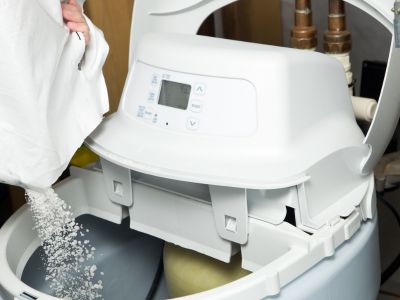
water softenerWater softeners are attached to the water sources in a home. Following a water softener installation, the system will work to remove various minerals that cause hard water. Those minerals will be replaced with alternatives like sodium or potassium ions. 

The water flows through a resin bed, where the ion exchange occurs, and the calcium and magnesium are traded for alternatives. This process effectively softens the water and greatly improves it. 

There are several different options, and they all offer different qualities or benefits. Check out these options: 

  • High Efficiency: designed to eliminate calcium and magnesium that cause hardness
  • City Treatment: works to eliminate hardness while also reducing chlorine and chloramine often used in city water treatment
  • Sidekick Filter: incorporates a filter that helps to remove sulfur and iron 
  • RO Drop System: installed under the sink as a reverse osmosis system
  • Ultra Violet: purifies the water with ultraviolet technology 

Homeowners can typically add other filters or choose different filters, such as a carbon filter, spin-down filter, or sediment filter, and these can be helpful as well. 

Understanding the Benefits of a Whole Home Water Softener

When a homeowner chooses to install a water softener, it is typically designed to benefit the water throughout the entire home. It’s important to ensure an appropriate softener is selected that works for the home’s needs and demands. 

These water softener systems have tons of great benefits, including the following: 

  • Reduce wear and tear on fixtures and pipes
  • Less cleaning demands from residue
  • Clothes that stay bright longer
  • Healthier hair, skin, and nails
  • Spotless and cleaner dishes

About Great Day Plumbing and Air

Great Day Plumbing and Air focuses on providing great service to every client they work with. With an on-time guarantee, straightforward pricing, and same-day services, they have been named the leading contractors in their area, offering plenty of great services to meet a wide array of needs. Contact them today for water softener installation and more in Wilmington, NC.

How to Choose the Right Type of Water Heater

Different Kinds of Water Heaters: Picking the Right Option

Every home needs a high-quality water heater, but not every home needs the same kind. 

There are three primary kinds of water heaters homeowners can choose from, including gas, electric, and tankless models. Each type presents different benefits and drawbacks, so homeowners who need to replace or upgrade their existing water heater should familiarize themselves with the options available. This will help ensure they select the best type of water heater for their home and family. 

Read on to learn more about the three primary types of water heaters and how they differ.  

A Gas Water Heater: The Most Popular Choice

water heater Gas water heaters are the preferred water heater option for many people because they heat water efficiently, making it quite affordable. They also heat water more quickly than electric water heaters can, and they’ll continue to work during power outages—something electric models obviously can’t do. 
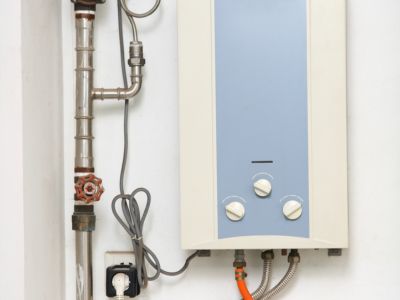
On the downside, gas water heaters often cost more than electric ones. They are also less safe and last less time. Additionally, they must be connected to ventilation pipes so that the harmful combustion byproducts they produce can be pumped outside the house. 

An Electric Water Heater: A More Affordable Option to Install

While electric water heaters are not quite as popular as gas water heaters, they are the better option for some homeowners, especially those living in small houses. 

Electric water heaters are generally less expensive than gas water heaters, and installation costs less than gas-powered ones. This is mainly because electric water heaters don’t require ventilation—no combustion is involved in their operation, so no harmful gases are produced.  

On the other hand, electric water heaters cost more than gas water heaters, and they take longer to heat large amounts of water. It is also important to note that electric water heaters will not operate when the power is out for a home. This can leave the residents without hot water during an already inconvenient time.  

A Tankless Water Heater: The Most Efficient Solution

water heater The final option for homeowners is tankless water heaters, which do not rely on a storage tank. Instead, they heat the water as it flows through a home’s pipes. This means there is less risk of leaks, an important consideration for homes with water heaters holding a large volume of water in a tank. 

Tankless water heaters have a longer expected lifespan than gas water heaters and can provide a nearly endless hot water supply.   

Nevertheless, tankless water heaters do present a few downsides. For starters, they cost more to purchase. Additionally, tankless water heater installation can cost more than conventional water heater installation. However, an electric tankless water heater doesn’t require the venting that a gas tankless water heater does, making electric unit installation slightly more affordable than gas-powered tankless heater installation.

About Great Day Plumbing and Air

From water heater replacement to HVAC repairs, the experienced service technicians at Great Day Plumbing and Air are ready to provide the quality work Hampstead residents need – often on the same day. Call them today for water heater services in Hampstead, NC!  

Distribution Links +

Young woman knitting in a cozy living room with plumbing materials, highlighting relaxation at Great Day Plumbing & Air.

Reducing Heating Costs During the Winter

Stay Warm While Spending Less

With a sluggish economy after a global pandemic, everyone is feeling the squeeze. Costs are continually going up, especially those related to energy, and inflation is making everything more expensive. To offset factors beyond their control, homeowners look everywhere for relief. Cutting bills is a great way to lower monthly costs, but often, that means taking austerity measures. 

Luckily, homeowners don't have to suffer when keeping their homes warm during the winter. By adopting a few simple habits, bills will be lower without sacrificing comfort. Here are three tips to save money on heating bills over the winter.  

Utilize Ceiling Fans Correctly 

Ceiling fan in a modern interior setting, illustrating proper usage for energy efficiency and comfort during winter heating.Ceiling fans have been a standard in homes since before air conditioning. Early on, people with ceiling fans noticed that they could keep the home cooler in the summer and warmer in the winter simply by changing how they used them depending on the season. 

Allowing fans to spin counterclockwise in the summer creates a refreshing downdraft that speeds the evaporation of sweat on the skin, cooling people off. In the winter, this same method can keep people cool, so owners figured out they could reverse the direction of the fan so it turned clockwise. 

This simple change caused an updraft that mixed warm air near the ceiling with cooler air below without creating a cooling downdraft. To ensure the same level of comfort in every home, homeowners simply need to switch the direction of their fans in the spring and fall. 

Ceiling fans are commonly found in living spaces and bedrooms. Luckily for homeowners, these rooms are the most frequently occupied, so using fans in these spaces can help drastically lower bills while keeping everyone comfortable. By taking advantage of the feature with ceiling fans, bills will not only be lower in the winter but also in the summer. 

Remember Air Filter Replacement 

A key feature of every furnace and heater is air movement. Since furnaces need to pull cold air from every room and heat it in the furnace, airflow must be unimpeded. When airflow is reduced, the furnace must burn for longer to heat up the entire home, costing more on monthly bills. Ensuring free airflow can help keep bills lower and keep the home more comfortable. 

Dirty air filters are the chief cause of airflow problems. When they are blinded by dust and grime, air can’t flow through the furnace easily. Air filter replacement can restore lost airflow and help keep heating cycles short, making it cheap. 

Install a Smart Thermostat

Smart thermostat displaying temperature settings with a smartphone controlling it, illustrating energy efficiency and cost-saving technology for home heating.The easiest way to save money during the winter is to turn off the heater. However, this proposition has a few problems. A better approach is to use technology that can reduce the heater's overall runtime. 

Smart thermostats use motion sensors, weather data, and algorithms to help save money by preventing heater cycles when no one is home while allowing the home to heat up as people return for the day. Because they save so much money, smart thermostats can help lower bills for the entire home, easily offsetting the cost of installation.

About Great Day Plumbing & Air

Great Day Plumbing & Air understands the costs of homeownership. That’s why they aim to maximize efficiency in heating equipment and provide repairs at reasonable costs. Call today for HVAC service in Wilmington, NC

Sump pump and pit in a basement, showing metallic basin, PVC piping, and water for effective plumbing maintenance.

Protect Basements From Flooding With the Use of a Sump Pump

What is a Sump Pump?

A sump pump prevents flooding in basements, crawl spaces, or any underground part of a building. Once the water in these areas rises to a certain level, the sump pump detects it through valves that sense increasing water levels and directs it to a designated drainage area. The pump is kept in a naturally constructed area in the home known as a “sump pit.”

Benefits of Sump Pumps

Children observing a pink piggy bank on a wooden floor, representing financial savings and childhood learning about money management.There are many benefits to having a sump pump installed, especially if a property is prone to flooding or water accumulation. These benefits include:

  • Protect basements against flooding
  • Reduces the costs of insurance 
  • Reduces moisture and prevents mold growth
  • Increased property value 
  • Improves the quality of air in the area
  • Prevents structural damages
  • More effective than external waterproofing 

Choosing the Right Type of Sump Pump

There are two types of primary sump pumps: pedestal and submersible, each with pros and cons. 

Pedestal sump pumps

They are also known as upright pumps. The motor is above the sump pit, with a long shaft extending down into the pit. It is supported on a column attached to the pump’s casing. 

While they’re less expensive than submersible types, they’re noisier and pose a greater safety risk due to the exposed motor. Also, due to the amount of power they produce, they can’t move large volumes of water, which could pose a problem for low-level property.

Submersible sump pumps

They’re designed to be fully submerged in the sump pit and are ideal for areas with high water volumes, such as areas with heavy rainfall. They’re quieter than pedestal pumps but more expensive and cannot function without electricity.

They have a short life expectancy of around five to ten years. Servicing these pumps can also be dicey since they’re not easily accessible.

What About Backup Pumps?

Backup sump pumps and their importance in preventing flooding, with a focus on battery-powered and water-powered types.Primary sump pumps cannot function without electricity, so if the lights go out during a storm, they’re useless, exposing the area to flooding. 

Secondary sump pumps can help mitigate these risks by providing reliable backup solutions to ensure continued drainage, even if a power outage happens. There are two types: battery-powered types that operate on batteries and kick in when the primary pump fails or is overwhelmed, and water-powered types that use municipal water pressure without batteries or electricity.

A battery-powered pump can be a submersible or a less common pedestal pump equipped with a battery. One important thing to remember is that they’re not as powerful as the primary types because the battery cannot produce as much power as the main electricity supply. A battery-backup sump pump can work for around 12 hours without recharge and is equipped with an alarm system that alerts the homeowner once it takes over the duties of the primary pump.

Another option is the combination sump pump, which features the primary and battery backup sump pump. Due to their dual power source, they’re considered the most efficient of the lot.

About Great Day Plumbing & Air

Great Day Plumbing & Air is a local company in Wilmington, NC, specializing in plumbing and HVAC repairs. They offer upfront pricing, same-day services, and a guarantee of showing up ‘on time! every time!’ Call now for sump pump services in Wilmington, NC.

Distribution Links +

Carrier furnace in a home setting with storage items nearby, showcasing modern design and safety labels for HVAC efficiency.

Best Time to Install a New Heating System

Make Fall More Enjoyable by Keeping the Home Comfortable

Fall is known for Halloween and cooler temperatures. One of the spookiest things that can send a chill down a homeowner’s spine is being faced with a big decision regarding home maintenance. Sometimes, that chill comes from a malfunctioning heater that needs replacement. The stress of deciding between heater repair and new heater installation can be scarier than the season. 

Luckily, there are signs that a heater is failing that homeowners can spot. When owners take heed of these signs and plans, heater installation goes much more smoothly. Here are the three most common signs of a failing heater so homeowners can start to plan for heater replacement. 

Old Age and High Repair Bills

For most people, the decision regarding heater repair compared to heater replacement will ultimately boil down to a financial decision. Weighing the cost of repairs against the cost of replacement can help homeowners make sound financial decisions when upgrading their heaters. To help make this decision easier, owners should tally up the costs once a technician has given a quote for repairs and replacement. If the cost of repairs is more than 25% of the replacement cost, heater replacement is likely the best choice, regardless of other factors. 

The choice becomes even clearer when high repair bills are coupled with old age. Most heaters are expected to last between 15 and 20 years. During this period, heaters will succumb to long-term systemic failures that require very expensive repairs. If repair bills are starting to mount, the heater is within this range of life expectancy, so installing a new heater makes more sense than limping it along for another season. 

High Monthly Utility Bills

Woman reviewing utility bills at a desk with a laptop and coffee cup, reflecting on financial decisions related to heater efficiency and costs.Heater manufacturers make heating equipment adhere to federal codes governing minimum efficiency. The only problem is that the heater’s efficiency will drop over the years. Heaters operating at minimum efficiency standards can be expected to perform 15% less properly after 15 years and can even add up fast.

If high bills plague a homeowner in the winter, a major contributor is an inefficient heater. To control monthly bills, homeowners can schedule heater installation this fall to maximize energy savings. 

The Home Is Cold

Woman wrapped in a blanket, sitting on a couch with a laptop, looking cold and uncomfortable, illustrating the need for efficient heating in a home.Heaters are intended to make the home more comfortable in the fall and winter. The last sign that heater replacement may be needed is when the heater allows the home to become uncomfortable. This occurs with hot and cold spots at home, indicating poor airflow. The burner may be dirty, damaged, or neglected and not produce enough heat to keep the home warm. If the home hasn’t been as comfortable as in years past, it may be due to an outdated heater. A new heater can help restore lost performance and make the home feel cozy again. 

About Great Day Plumbing and Air

Great Day Plumbing and Air offers straightforward pricing for heating services. Instead of a one-size-fits-all approach, they custom-tailor heating solutions for residential and commercial customers. Call today for a heating installation service in Wilmington, NC.