Why Schedule AC Maintenance This Spring?

The Importance of AC Maintenance and When It's Needed

As spring breezes begin to sweep through Hampstead, NC, getting a home ready for the sweltering summer months becomes a top priority for residents. A household's cooling system works incredibly hard to combat the coastal Carolina heat, yet it is often ignored until a sudden failure leaves families uncomfortable. Taking a proactive stance by scheduling regular air conditioning maintenance is a wonderful way to ensure a relaxing, uninterrupted indoor season.

Giving the climate control system a bit of essential care before the intense heat settles in can drastically improve its daily operation. By understanding the true value of seasonal upkeep, discovering what experts actually do during a visit, and knowing the best time to book an appointment, homeowners in Hampstead can make confident, cost-saving choices. This simple knowledge turns a basic chore into a highly rewarding habit that preserves both indoor comfort and household budgets.

Benefits of Air Conditioner Maintenance

save money Scheduling an annual tune-up for a home's cooling system offers incredible benefits that go far beyond just blowing cold air. A well-maintained system operates at peak energy efficiency, meaning it uses significantly less power to cool the living space thoroughly. Because the equipment does not have to work as hard to reach the desired temperature, families will quickly notice a significant drop in their energy bills, making regular air conditioner maintenance a brilliant financial choice.

Beyond the immediate savings, routine upkeep is a vital preventive measure against sudden breakdowns. When a system runs smoothly, there is far less wear and tear on its internal parts, reducing the likelihood of unexpected or extensive air conditioning repairs. Furthermore, a well-maintained unit enjoys a much longer lifespan, allowing homeowners to maximize their investment and delay the need for a full air conditioning replacement.

What Does AC Maintenance Entail?

hvac When an expert arrives for a routine AC maintenance visit, they perform a comprehensive evaluation to ensure everything is running safely. The process begins with a thorough inspection of the entire system, allowing the technician to spot minor wear before it escalates into a major problem requiring an emergency air conditioner repair. Catching these small hiccups early on keeps the system running beautifully and gives residents total peace of mind.

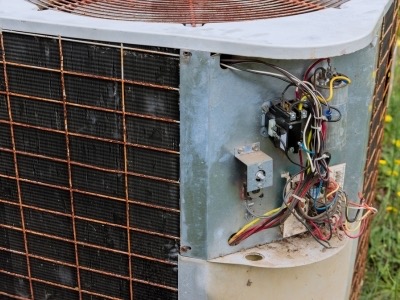
During the appointment, the professional addresses several important technical tasks, such as carefully cleaning the evaporator and condenser coils to ensure the system transfers heat properly. They will also verify that the thermostat is communicating correctly and check the refrigerant level to ensure it has sufficient cooling capacity. Finally, the technician inspects the internal wiring, looking for any loose electrical connections and tightening them to prevent future malfunctions.

How Often Is Maintenance Needed?

To keep a cooling system in top shape, professionals strongly recommend scheduling an expert tune-up at least once a year. Springtime is the perfect season to book this appointment because local contractors are typically much less busy than they are during the scorching summer rush. Scheduling early means homeowners can have lingering issues fixed well before the heatwave hits, ultimately leading to lower cooling costs when the system is used most.

While calling in the experts annually is crucial to avoid a premature AC replacement, property owners must regularly change the air filters themselves throughout the year. Keeping a fresh filter in place is essential for keeping dust out of sensitive machinery and ensuring clean, healthy indoor airflow. Filter replacements are needed much more frequently than professional visits, typically at least once every three months, to complement professional care perfectly.

About Great Day Plumbing & Air

Great Day Plumbing & Air is a leading contractor known for delivering quality work and dependable solutions for plumbing and HVAC needs. Backed by experienced technicians and a commitment to customer satisfaction, the team handles everything from repairs to system installations—offering same-day service to keep homes and businesses comfortable. Call them for air conditioning repair and maintenance in Hampstead, NC

Spring Checklist to Get Sump Pumps Ready for Heavy Rains

Working Sump Pumps Protect Homes From Flooding and Water Damage

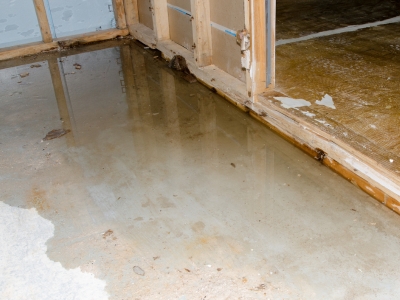
Spring often brings a quick shift from dry days to intense downpours, and basements or crawlspaces can see water levels rise in a matter of hours. A reliable sump pump helps move that excess water away from the foundation before it seeps through floors or walls. When the system is in good shape, the chance of flooding, structural water damage, ruined storage, and expensive restoration work drops significantly. A dry lower level also makes it harder for mold to gain a foothold, which lowers the risk of musty odors and potential health concerns. This overview covers basic sump pump benefits, simple checks that confirm the unit is working, and reasons many households invest in a sump pump backup system for storm season.

Sump Pumps and Their Benefits Explained

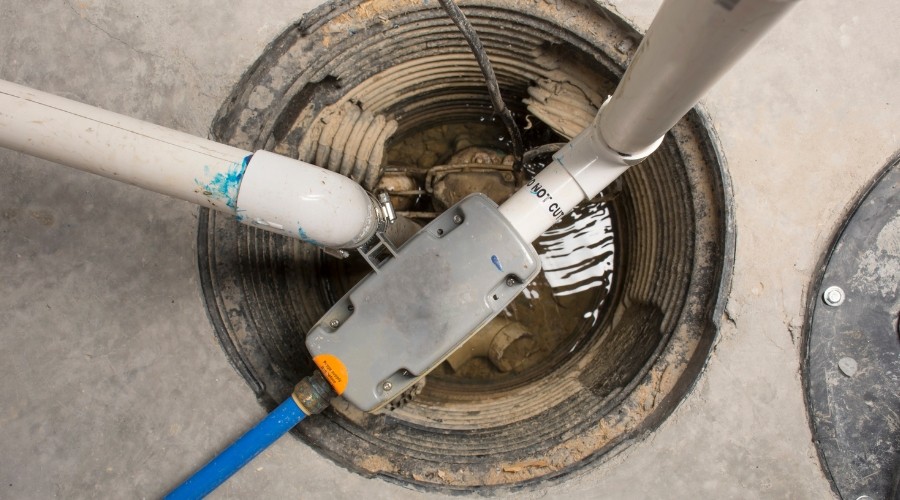
flood A sump pump is typically installed at the lowest point of a basement or crawlspace, in a pit known as a sump basin. During sump pump installation, the basin is positioned where groundwater naturally collects. As water fills the pit, a float or pressure switch activates the pump, sending water through a discharge pipe to a safe location outdoors.

Key benefits include:

  • Reduced likelihood of standing water on floors during heavy rain
  • Protection for finished basements, stored belongings, and mechanical equipment
  • Less long-term moisture exposure for framing, subfloors, and concrete
  • Lower chance of mold growth in hidden areas, which can otherwise spread and impact indoor air quality

In coastal cities like Wilmington, where high water tables and strong storms are common, a functioning sump pump is often a critical part of the overall drainage strategy.

How to Make Sure a Sump Pump Works Correctly

sump pump Before spring storms arrive, a quick inspection can confirm that the system is ready. The area around the basin should be free of clutter so that the float and discharge piping are not obstructed. Inside the pit, loose debris such as rocks, dirt, or small objects should be removed, since these can block the intake screen or jam the float mechanism.

A simple test is helpful. Clean water can be poured slowly into the basin until the float rises. A working pump will start automatically, empty most of the water, and then shut off once the level drops. Any failure to start, very slow pumping, or unusual noises is a sign that professional attention is needed.

Regular sump pump maintenance by a qualified plumber adds another layer of protection. During a maintenance visit, the technician can check electrical connections, examine the check valve, confirm that the discharge line is clear, and look for signs of wear that could cause problems under heavy load.

Why a Sump Pump Backup May Be Needed

Strong thunderstorms not only raise groundwater but also knock out power. If a primary pump stops because electricity is lost, water can fill the basin and overflow into the basement or crawlspace. A sump pump backup provides coverage when the main system cannot keep up or cannot run at all.

Common backup approaches include:

  • A backup sump pump powered by a dedicated sump pump battery backup, which turns on automatically during outages or when the primary pump fails
  • A second electric pump installed slightly higher in the same pit, offering extra capacity during extreme rainfall events

By adding redundancy, homeowners are not relying on a single pump and a single power source during the most intense storms. Instead, the combination of a well-maintained primary unit and a properly installed sump pump backup offers a stronger defense against flooding and water damage.

About Great Day Plumbing & Air

Great Day Plumbing & Air offers expert plumbing and heating services in Wilmington and the surrounding areas. With straightforward pricing and the latest technology, customer satisfaction is guaranteed. Call them today for reliable sump pump services in Wilmington, NC.

Smart Thermostat Upgrades for Better Comfort and Control

Smart Thermostats and Their Benefits Explained

The thermostat on the wall acts as the brain of a heating and cooling system, deciding when the equipment runs and for how long. Older homes often rely on a basic manual thermostat, which only changes temperature when someone adjusts the dial or buttons. A slightly newer option is the programmable thermostat, which can follow simple schedules but still requires regular tweaking to match daily routines. A smart thermostat builds on both, adding connectivity, learning capabilities, and detailed controls that help the entire system operate more efficiently and consistently. This overview looks at what sets these devices apart, the main benefits of smart thermostat installation, and clear signs that a thermostat installation or replacement should be considered.

What Is a Smart Thermostat?

A smart thermostat is an advanced control device that manages heating and cooling equipment while staying connected to a home network. Unlike a manual thermostat, which only reacts when settings are changed by hand, a smart model can be adjusted through a smartphone app, tablet, or computer. Compared with a standard programmable thermostat, many smart devices offer more flexible schedules, geofencing features, and the ability to monitor indoor temperatures and humidity in real time.

Some smart thermostats also track usage patterns, learning when a home is typically occupied and which temperatures are most comfortable. Over time, the thermostat can fine‑tune settings automatically, helping reduce wasted run time without sacrificing comfort. Integration with other smart home systems and voice assistants can make everyday adjustments even more convenient.

Benefits of Smart Thermostat Installation

save money Smart thermostat installation can deliver several advantages for both comfort and operating costs. More precise control over temperature set points and schedules helps reduce unnecessary heating and cooling, which supports better energy efficiency throughout the year. Remote access makes it easier to adjust settings while away, so systems do not run at full capacity when no one is home.
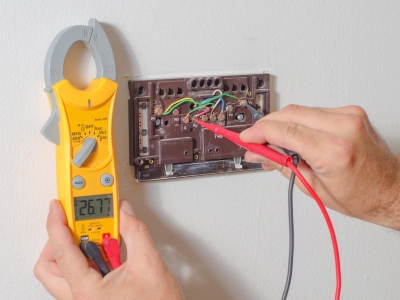
Detailed energy reports and alerts give homeowners insight into how often equipment runs and when peak usage occurs, making it simpler to identify opportunities for savings. In addition, many smart thermostats can remind occupants about filter changes or maintenance, which helps HVAC systems run more smoothly and can extend equipment life. Together, these features can lead to lower utility bills, steadier indoor temperatures, and a more responsive overall system.

Signs to Replace a Thermostat

thermostatEven with an advanced device, there comes a time when thermostat replacement becomes necessary. Common warning signs include frequent temperature swings, unresponsive controls, or a display that fades, freezes, or goes completely blank. If heating or cooling equipment fails to turn on or off when expected, despite correct settings, the thermostat may no longer be sending accurate signals.

Older units that cannot maintain schedules, lose programmed settings, or are incompatible with newer high‑efficiency equipment may also be due for an upgrade. Ignoring these issues can lead to higher energy use, uneven comfort from room to room, and unnecessary wear on furnaces and air conditioners. Scheduling professional thermostat installation ensures that wiring, placement, and setup are handled correctly, allowing a modern smart thermostat to perform as designed.

About Great Day Plumbing & Air

Great Day Plumbing & Air provides top-rated plumbing, heating, and air conditioning services to the communities of Wilmington and the surrounding areas. They are committed to customer satisfaction, offering same-day service, tailored solutions, and straightforward pricing across their wide range of plumbing and HVAC services. Call them today for thermostat installation in Wilmington, NC.

Distribution Links +

Tracking Down The Causes Of Low Water Pressure

What Causes Poor Water Pressure?

Low water pressure can appear in a single bathroom or affect every tap in the house. Noting where and when the problem occurs is the first step toward diagnosing it. From there, a licensed plumber can check fixtures, main valves, and piping to determine whether the issue is simple to correct or requires more extensive repair work. This overview explains what causes poor water pressure, covering fixture and valve issues, hidden leaks, and long‑term clogs or buildup inside supply lines.

Faulty Fixtures or Closed Valves

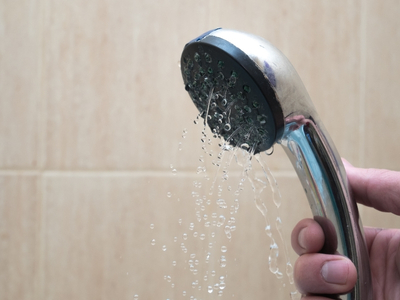
shower head When weak flow is limited to one faucet, tub, or showerhead, the cause is often local. Small passages inside aerators, cartridges, or spray nozzles can trap sand, rust, and mineral deposits. Over time, this buildup acts like a clog that restricts water pressure only at that fixture. Removing, cleaning, or replacing the affected component usually restores normal performance.
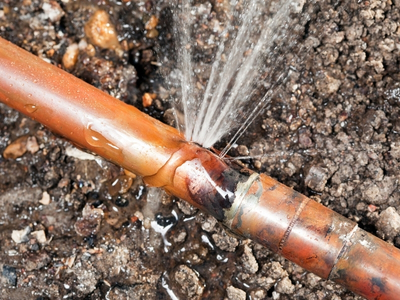
If low water pressure is present throughout the home, attention should shift to critical controls. A partially closed main water shutoff valve or water meter valve can choke the entire supply before it ever reaches branch lines. This sometimes happens after emergency shutoffs or plumbing projects when a valve is not fully reopened. Confirming that both valves are open and functioning correctly is a key step whenever poor water pressure affects multiple rooms.

Water Leaks

leak A hidden leak in the supply lines is another frequent reason for weak flow. When pressurized water escapes through a crack, pinhole, or loose joint, less volume remains available for fixtures downstream. Symptoms that may suggest a water leak include:

  • Damp or stained walls, ceilings, or flooring
  • Unexplained puddles in the yard
  • The sound of running water when all fixtures are off
  • A water bill that rises without an obvious cause

Professional leak detection tools help pinpoint the exact location of the problem, allowing focused water leak repair instead of guesswork. Once the damaged section is fixed, overall water pressure at sinks, showers, and appliances often improves significantly.

Clogs and Buildup

Older plumbing systems are especially vulnerable to internal restrictions. As water travels through pipes year after year, limescale and other mineral buildup can accumulate along interior surfaces. In aging metal lines, corrosion may flake away and settle at low spots or fittings, forming a stubborn clog that blocks flow.

This gradual narrowing of the pipe’s effective diameter increases friction and reduces pressure at fixtures, even when supply from the street remains adequate. Depending on severity, solutions may include flushing sections of pipe, replacing individual runs, or planning larger repiping projects. Addressing these issues not only restores better water pressure but also helps protect fixtures and appliances from recurring problems.

About Great Day Plumbing & Air

Great Day Plumbing & Air is a top-rated plumbing, heating, and air conditioning company providing on-time, same-day plumbing solutions in Wilmington and the surrounding communities. They guarantee customer satisfaction with quality work and experienced technicians. Call them today for plumbing services in Wilmington, NC.

Distribution Links +

Why Add a Whole-Home Humidifier This Winter?

The Advantages of Installing a Whole Home Humidifier and Signs It’s Needed

Cold weather often brings a hidden problem indoors: overly dry air. Furnaces run for long stretches, and winter air naturally holds less moisture, leaving homes feeling parched and uncomfortable. A properly sized whole-house humidifier helps restore balanced humidity levels and creates a healthier, cozier environment. This post explains how a whole-home humidifier works, common signs that humidifier installation may be needed, and key benefits of a humidifier during the winter season.

What Does a Whole House Humidifier Do?

A whole-house humidifier connects directly to the heating system and water supply. As air passes through the furnace or air handler, it moves across a moisture panel or steam chamber inside the humidifier. The system then distributes this gently moistened air through the existing ductwork to every room.

Winter is when a whole-home humidifier installation becomes especially valuable. Cold outdoor air contains less moisture, and indoor heating dries it out even further. Without added humidity, indoor air can feel cooler and harsher on skin, sinuses, and wood surfaces. By regulating humidity across the entire living space, a whole-home unit delivers more consistent results than small portable humidifiers scattered around the house.

Signs the House Needs a Humidifier Installation

dry skin Certain clues around the house and in everyday comfort levels suggest that humidity has dropped too low, and a whole-house humidifier installation could help. Common signs include:

  • Wood floors, trim, or furniture that look dull, cracked, or separated at the joints
  • Static electricity shocks when touching door handles, light switches, or fabrics
  • Dry, itchy skin, chapped lips, or irritated eyes
  • Scratchy throat, dry cough, or worsened allergy and asthma symptoms
  • Frequent winter nosebleeds or sinus discomfort

When several of these issues show up at the same time, winter air is likely far too dry. A professionally installed humidifier gives homeowners better control over indoor humidity, helping reduce those everyday annoyances.

Benefits of a Whole Home Humidifier

save money The benefits of a humidifier reach well beyond comfort alone. A well‑tuned whole-house humidifier can:
  • Help spaces feel warmer at the same thermostat setting, supporting improved energy efficiency and potentially lower heating costs
  • Support better indoor air quality by easing dry nasal passages, sore throats, and coughs, and by reducing irritation that can aggravate allergies and asthma
  • Protect wood floors, musical instruments, cabinetry, and furniture from cracking, splitting, or warping caused by prolonged dryness
  • Cut down on static electricity, making fabrics and electronics less troublesome
  • Keep skin and hair more moisturized, reducing flaking and irritation during the coldest months

Because a whole-home humidifier installation works with existing ductwork, it treats every conditioned room uniformly, rather than over‑humidifying one space and neglecting others.

About Great Day Plumbing & Air

Great Day Plumbing & Air provides a wide range of top-rated plumbing, heating, and cooling services in Wilmington and the surrounding areas backed by an on-time guarantee. They offer quality work from experienced, trustworthy technicians who make use of the latest technology. Call them today and get straightforward pricing when you schedule humidifier installation in Wilmington, NC.

How Maintenance Helps Avoid Plumbing Issues During the Holiday Season

Why Is Maintaining the Plumbing Important?

The best way to avoid plumbing issues this holiday season is proactive maintenance. A clogged kitchen sink or surprise leak with a house full of guests can bring celebrations to a halt. Fortunately, a few preventive steps can keep fixtures, drains, and appliances running smoothly. This overview covers essential plumbing maintenance tasks, water heater maintenance tips, and practical habits that help prevent backups, flooding, and emergency calls before festivities begin.

Benefits of Plumbing Maintenance

water heater Regular plumbing maintenance provides protection that goes far beyond clear drains. Routine inspections identify small concerns—like a slow leak, worn seals, or minor corrosion—before they escalate into a burst pipe, flooding, or a disruptive backup. Skilled technicians can also spot warning signs of a clogged sewer line, including recurring slow drains and gurgling, and recommend timely drain cleaning to restore proper flow.

Preventive service supports the entire system. Tightening connections, testing shutoff valves, and checking fixture traps reduce the chance of sudden failures during heavy holiday use. Drain cleaning and targeted clearing help remove buildup that could otherwise fuel a sewer line clog under peak demand. With a plan in place, households gain steadier performance, fewer surprises, and more confidence that gatherings will go off without plumbing-related interruptions.

Benefits of Water Heater Maintenance

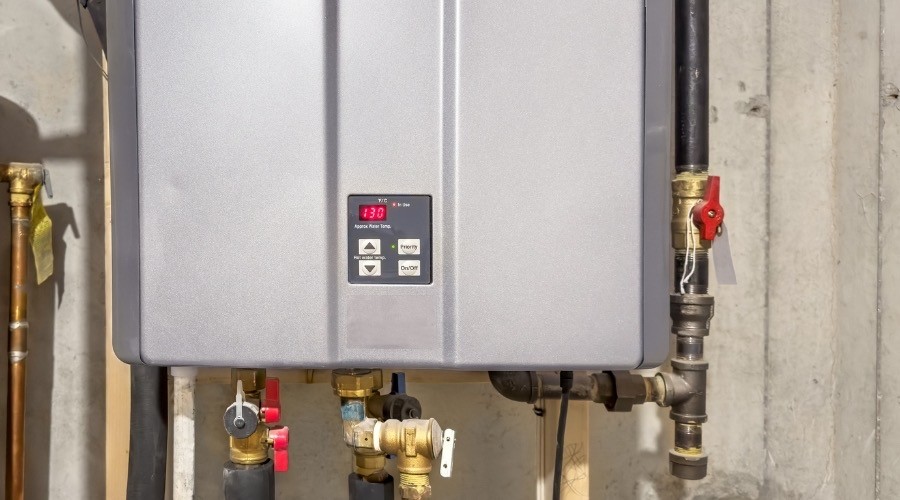
Water heater maintenance is crucial when hot water demand rises. Flushing sediment from the tank or heat exchanger improves heat transfer, stabilizes performance, and helps the unit respond quickly during busy periods. Inspecting safety components—such as temperature and pressure relief valves—and evaluating anode protection can prevent avoidable failures and extend service life.

A well-maintained system typically operates more efficiently, which can help moderate energy use over time. Proactive checks also reduce the risk of hidden issues like small leaks or overheating that might otherwise lead to unplanned downtime. Whether the home relies on a tank or tankless design, consistent water heater maintenance keeps showers, dishwashing, and laundry more dependable throughout the season. If unusual noises, temperature fluctuations, or rust-colored water appear, scheduling an assessment early can prevent an inconvenient outage later.

More Tips to Maintain the Plumbing

clog Prevention starts with smart daily habits. Keep fats, oils, grease, coffee grounds, and fibrous scraps out of kitchen drains to avoid buildup that may contribute to a sewer line clog. In bathrooms, use drain screens to catch hair and soap residue, and limit what goes down toilets to only toilet paper. These steps reduce the likelihood of a clogged sewer line that can create widespread backup issues across multiple fixtures.

Stay alert for early warning signs. Slow drainage, gurgling sounds, or water returning to a tub or shower after flushing may point to developing blockages that benefit from professional drain cleaning. Damp spots, musty odors, or unexplained increases in water usage can signal a hidden leak that deserves prompt attention. During cold snaps, insulating vulnerable pipes and maintaining steady indoor temperatures lowers the risk of a burst pipe and the costly flooding that follows. Combining everyday care with scheduled plumbing maintenance provides a strong, season-ready defense against interruptions.

About Great Day Plumbing & Air

Great Day Plumbing & Air offers tailored plumbing and HVAC solutions from trusted technicians to the communities of Wilmington and the surrounding areas. Call them today for straightforward pricing for drain clearing in Wilmington, NC.

Distribution Links +

Why a Heat Pump Is a Smart Choice

Heat Pumps Explained

Homeowners today are increasingly seeking ways to maintain year-round comfort while keeping energy costs under control. One of the most effective solutions to achieve both goals is the installation of a heat pump. Modern heat pumps combine high efficiency with reliable performance, delivering both heating and cooling through a single system. For those seeking a practical and environmentally friendly alternative to traditional HVAC systems, heat pumps provide an excellent choice.

What Is a Heat Pump?

A heat pump is an energy-efficient HVAC system that provides both heating and cooling for residential and commercial spaces. Unlike conventional systems that burn fuel to produce heat, a heat pump transfers existing heat from one place to another. During the winter, it extracts warmth from the outdoor air and moves it indoors. In the summer, the process reverses, removing heat from inside the home and releasing it outdoors to keep the interiors comfortably cool.

Heat pumps come in two main types: ducted and ductless. Ducted systems use existing ductwork to distribute air evenly throughout the home, making them ideal for whole-house comfort. Ductless mini-split systems, on the other hand, are wall-mounted units that provide targeted heating and cooling to specific rooms or zones without the need for duct installation. Both configurations deliver efficient and reliable performance and are available in designs suitable for a wide range of home layouts.

Benefits of Installing a Heat Pump

save money Installing a heat pump offers several key benefits for homeowners, the most significant of which is energy efficiency. Because heat pumps transfer heat rather than generate it through combustion, they require considerably less energy to operate. According to the U.S. Department of Energy, heat pumps can reduce electricity use for heating by up to 50% compared to electric resistance systems such as furnaces and baseboard heaters.

This efficiency directly translates into lower utility bills and a smaller environmental footprint. With one system managing both heating and cooling, homeowners no longer need separate equipment—simplifying maintenance and saving space. Heat pumps also maintain consistent indoor temperatures, avoiding the sharp fluctuations often associated with traditional systems.

Modern advancements have further improved performance, allowing many heat pump models to operate efficiently even in colder climates. This versatility makes them a dependable, year-round solution for homes in diverse regions.

Signs Heat Pump Repair Is Needed

heat pump While heat pumps are known for their durability and long lifespan, occasional repairs may be necessary to keep them running efficiently. Identifying early warning signs can help prevent minor issues from turning into costly repairs.

One of the most common indicators is unusual noise. Grinding, squealing, or rattling sounds often point to worn bearings, loose components, or failing motors that require immediate attention. Weak or no airflow from vents can indicate blocked ducts, refrigerant leaks, or malfunctioning fans, all of which reduce system performance.

Inconsistent or fluctuating temperatures throughout the home may indicate thermostat problems or compressor issues that disrupt normal heating and cooling cycles. Another red flag is a sudden increase in energy bills—a struggling heat pump can consume 20–30% more energy than usual, according to the U.S. Department of Energy.

Finally, if the system becomes stuck in heating mode during summer or cooling mode during winter, the problem could stem from a faulty reversing valve or control board. In all these cases, prompt service from a qualified HVAC technician is essential to restore proper operation and extend the system’s lifespan.

About Great Day Plumbing and Air

Great Day Plumbing & Air is a trusted plumbing and HVAC contractor serving Wilmington and Hampstead, NC. From repairing leaks and clogs to installing HVAC systems, their skilled team delivers professional service guided by honesty, punctuality, and respect. Committed to quality solutions at fair prices, they offer straightforward pricing, same-day service, and tailored solutions backed by a 100% satisfaction guarantee. For expert heat pump services in Wilmington, NC, call them today.

Distribution Links +

Slab Leaks Explained: What Homeowners Need to Know

Slab Leak Basics Explained

An unexplained sound of running water can be more than a nuisance. Slab leaks can quietly cause extensive water damage beneath a concrete foundation, turning small issues into costly slab leak repairs. This guide outlines the subtle warning signs, essential first steps, and how timely slab leak detection can prevent escalating problems and surprise expenses. The goal is to help identify a potential slab leak early and understand practical options for addressing it.

What Are Slab Leaks?

A slab leak occurs when water pipes located beneath a home’s concrete foundation crack, corrode, or separate, allowing water to escape into surrounding soil and structural materials. Because these pipes are buried and out of sight, slab leaks often remain unnoticed until secondary symptoms appear. As moisture accumulates, structural materials can be compromised, and indoor air quality can suffer.

Many homes built on concrete slabs route water supply lines and drain pipes directly under the foundation. Unlike exposed plumbing, these lines are not easily inspected. As water seeps through concrete and surrounding soil, it can travel along walls and subflooring, contributing to warped flooring, damaged finishes, and mold growth. Early signs—such as warm or damp areas on flooring, the sound of water when fixtures are off, or a persistently high water bill—often point to hidden leaks below the slab. Prompt slab leak detection and evaluation by qualified professionals can help limit water damage and preserve structural integrity.

Signs of a Slab Leak

crackCatching the indicators of a slab leak early can reduce repair scope and complexity. Common clues include:
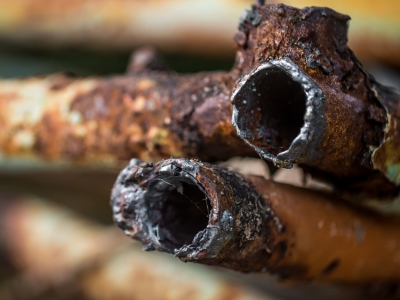
  • Damp or discolored patches on floors, especially without visible plumbing fixtures nearby.
  • A persistent musty odor, which can signal long-term moisture accumulation.
  • Cracks forming in floors, walls, or the foundation as shifting soil undermines the support under the slab.
  • Localized warm spots on hard-surface flooring that may indicate a hot-water line leak.
  • Flooring distress, such as buckling hardwood, loosening tile, or bubbling laminate, caused by moisture wicking upward.
  • Utility statements can also reveal a problem. An unexpected increase in the water bill—especially when usage habits remain consistent—may indicate a hidden leak. A pattern of unexplained high water bill notices should prompt a closer look. When these signs appear together, arranging professional slab leak detection becomes critical. Accurate pinpointing helps determine the most effective slab leak repair strategy while minimizing disruption to the property.

Common Causes of a Slab Leak

pipesSeveral factors can contribute to slab leaks over time:

  • Pipe corrosion: Older piping materials are susceptible to gradual deterioration. As minerals and chemistry interact with metal pipes, pinhole leaks can form and expand, eventually leading to a slab leak.
  • Foundation movement: Soil shifts caused by seasonal moisture changes or ground settlement can stress rigid plumbing lines beneath the slab. Repeated movement may bend or fracture pipes, causing leakage.
  • Excessive water pressure: Elevated pressure levels across a plumbing system can strain joints and fittings, accelerating wear and increasing the risk of leaks below the foundation.
  • Installation issues: Inadequate support, sharp bends, or contact with abrasive surfaces can set the stage for early pipe failure.
  • Intrusive roots: Tree roots naturally seek moisture and can infiltrate tiny openings in underground pipes, gradually enlarging pathways and triggering slab leaks.

Because causes vary, the appropriate slab leak repair approach can differ from one property to another. Some situations benefit from targeted spot repairs, while others are better served by rerouting lines or replacing longer sections of pipe. For complex scenarios, professional slab leak detection using specialized equipment can help confirm the leak location and inform the best repair plan.

If warning signs appear—such as recurring damp spots, structural cracking, or a steadily rising water bill—prompt action reduces the likelihood of widespread water damage. Addressing plumbing and foundation concerns early prevents small leaks from becoming structural issues. Effective slab leak repair restores reliability, reduces wasted water, and helps normalize monthly costs. When combined with routine inspections and attention to changes in utility statements, these steps provide a practical defense against slab leaks and their consequences.

About Great Day Plumbing & Air

Great Day Plumbing & Air is a leading plumbing and HVAC company proudly serving the communities of Wilmington and the surrounding areas. They provide straightforward pricing, same-day service, and tailored solutions to ensure customer satisfaction. Call them today for slab leak repair in Wilmington, NC.

Distribution Links +

Choosing Between a Central Air and Ductless Mini Split AC System

Choosing Between a Central AC and a Ductless Mini Split System

Homeowners seeking effective home cooling often need to decide between a central AC system and a ductless mini split system. Each system offers particular benefits depending on the home’s design, existing ductwork, and the preferences of the residents. By carefully examining the differences, advantages, and installation considerations of each system, homeowners can make a smart, informed decision that enhances indoor comfort and improves overall energy efficiency.

Central Air Conditioning

vent A central air conditioning system uses ductwork to distribute cooled air evenly throughout a home. One of the primary advantages of installing a central AC system is convenience. With just one thermostat, homeowners can easily control the temperature for the entire house. 

For homes that already have existing ductwork, installing a new central air conditioner is generally much less expensive than converting the home to a ductless mini split system. In addition to cost savings on installation, central AC systems provide consistent temperatures throughout all living areas, making them a practical choice for homeowners who prefer uniform comfort.

Ductless Mini Split Air Conditioner

acA ductless mini split air conditioner is a versatile cooling system that functions without traditional ductwork. Instead, it relies on an outdoor compressor and one or more indoor air handlers to provide cooled air where needed. Benefits of a ductless mini split system include greater energy efficiency by eliminating the losses associated with ducted airflow, which can reduce monthly energy costs. 

The flexibility of ductless mini split installation makes it suitable for homes lacking ductwork, for home additions, or for spaces where adding ducts would be impractical. Additionally, homeowners gain zone control, allowing them to cool only the rooms in use while optimizing overall comfort and energy use throughout the home.

Factors to Consider Before Installation

Several factors may influence the decision between a ductless mini split and a central air system. First, the presence of existing air ducts can make a central AC system more cost-effective. Conversely, homes without ductwork or with layouts that make duct installation difficult may benefit more from a ductless mini split system. 

Homeowners should also consider whether they prioritize lower upfront installation costs or lower monthly operating expenses. Another consideration is temperature control preference: a central air conditioner offers consistent temperatures across the entire home. At the same time, a ductless mini split system allows for zone-specific cooling, giving homeowners precise control over comfort in individual rooms.

About Great Day Plumbing & Air

Great Day Plumbing & Air in Wilmington, NC, provides expert plumbing and HVAC services with quality work, experienced technicians, and same-day service. From repairs to installations, their qualified team delivers reliable, tailored solutions with a commitment to honesty, punctuality, and customer satisfaction. Call them today for expert ductless mini-split installation services in Wilmington, NC

Distribution Links +

Consider Sump Pump Installation to Protect Against Flooding

What Is a Sump Pump?

Installing a sump pump ensures essential protection against flooding, stopping basement damage before it happens. Rather than facing costly repairs and the stress of unexpected water issues, effective sump pump installation presents practical steps to secure any property. This guide shares the benefits of sump pumps and the unique features of primary and secondary sump pumps.

Benefits of Sump Pumps

mold A sump pump prevents basement flooding by automatically removing water before it can cause serious damage. When water levels in the sump pump basin increase, the system activates—often through a sump pump float switch—and pumps excess water away from the foundation through a discharge pipe. Sump pumps operate continuously, providing reliable protection against flooding.

The use of a sump pump also offers comprehensive foundation security by reducing hydrostatic pressure that can build up against basement walls. According to the Insurance Information Institute, water damage impacts one in fifty homes each year, making sump pump installation a wise preventative investment. When groundwater is controlled, the home’s structural integrity is preserved, and valuable items stored in the basement—such as family heirlooms or electronics—remain protected.

Furthermore, efficient water removal with a sump pump significantly reduces basement moisture levels, which can encourage the growth of mold and mildew. The musty odor sometimes present in basements often signals such hazards. A properly maintained sump pump, equipped with a functional float switch, eliminates the excess dampness where harmful microorganisms thrive, leading to a healthier interior environment and protecting air quality and structural soundness.

Primary Types of Sump Pumps

sump pumpChoosing the right sump pump type greatly affects a basement’s long-term flood protection and impacts maintenance requirements. The residential market is characterized by two key categories: submersible sump pumps and pedestal sump pumps. Both have unique benefits catering to different property requirements and budget constraints.

A submersible sump pump operates entirely underwater in the sump pump basin, providing robust pumping capability and whisper-quiet performance, making it ideal for managing heavy water volumes during severe weather events. Their advanced, waterproof construction often makes them more expensive than pedestal models.

On the other hand, a pedestal sump pump features a motor situated above the water line, with its intake pipe drawing water from within the basin. This elevated design protects crucial components, often resulting in an operational lifespan of up to 25-30 years—compared to 10-15 years for submersible pumps. The lower price point is attractive, but the pedestal sump pump typically offers less capacity during peak flooding. Some basements may benefit from the durability and economy of a pedestal model, while others exposed to heavy storms are best served by the power and efficiency of a submersible sump pump.

When assessing which sump pump installation is optimal, local flooding risk, basement usage, and available budget should guide the final decision.

Secondary or Backup Sump Pumps

Although a primary sump pump generally runs reliably, there are instances when it may not be sufficient, such as during power outages, equipment failure, or excessive water volumes. In these situations, a backup sump pump acts as a crucial secondary line of defense. Installing a backup sump pump significantly reduces the risk of water damage.

For added reliability, many systems feature a sump pump battery backup, which activates the pump even when electrical power is lost. These backup systems typically run on 12-volt marine batteries, while others utilize water-powered mechanisms for operation during prolonged power outages.

Professional installers typically place the backup sump pump or secondary pump slightly higher within the sump pump basin than the primary pump. This arrangement enables the main sump pump to manage normal water levels while ensuring the backup unit is only activated when the inflow exceeds the standard capacity. Water-powered backup sump pumps leverage municipal water pressure for continuous operation, offering longer protection when battery capacity is limited or exhausted.

When selecting a backup system, it is essential to consider local flooding patterns and the reliability of the power supply. Battery-backed options provide 6-8 hours of operation during most storms, whereas water-powered backup sump pumps can run indefinitely as long as municipal water pressure remains stable.

About Great Day Plumbing & Air

Great Day Plumbing & Air is a leading plumbing, heating, and air conditioning company in Wilmington and its surrounding areas. They offer straightforward pricing and same-day services, with a guarantee that they’ll show up on time, every time. Call now for sump pump installations in Wilmington, NC.

Distribution Links +