
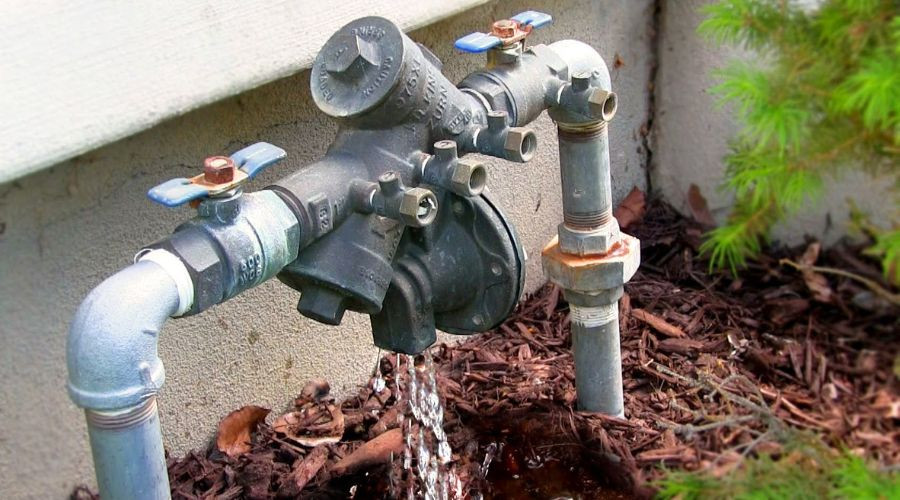
What Exactly Is Backflow – And Why Does It Matter?
Of all the issues that can occur in a plumbing system, backflow might be one of the scariest. But it’s also an issue many people don’t know much about – so what is backflow? Simply put, backflow is the unintended reversal of water flow in a plumbing system, particularly at a cross-connection where contaminated water from a fixture can flow back into the potable water supply system.
A single backflow event has the potential to contaminate a whole supply of potable water – be it an individual well or an entire town’s municipal water supply – so preventing backflow is a must. This article will explain the dangers of backflow and how to avoid it with backflow testing.
Why Backflow Is Dangerous
Backflow can occur for two reasons – back siphonage or back pressure. Back siphonage is when the upstream pressure drops due to a rupture or sudden shutoff of the water supply, causing the water to siphon back upstream. Back pressure is when the downstream pressure exceeds the water supply pressure, forcing the water back upstream.
The most significant danger of backflow is the contamination of a potable water supply – but the scale and nature of that contamination can be genuinely terrifying. For example, irrigation water full of fertilizers and pesticides could siphon back through a sprinkler system into the city water main. In one extreme case from 1986, several residents of a small town suffered severe burns after a backflow event at a nearby chemical company released a caustic substance into the town’s water supply.
Because backflow can pose such a substantial public health risk, plumbing systems are required to have backflow prevention devices at any cross-connection where potable and non-potable water may meet. Still, these must be tested routinely to ensure they continue working.
Backflow Testing Explained
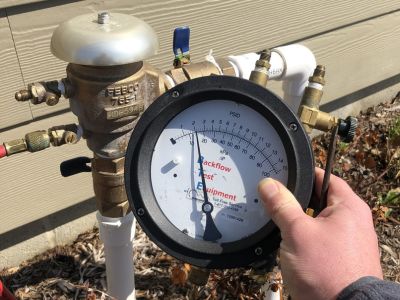 There are many types of backflow preventers, each designed for a specific purpose. But most involve check valves that make backflow impossible to protect the water supply. However, like any plumbing equipment, backflow devices can wear out over time. This is where backflow testing comes in.
Backflow testing is when a technician thoroughly inspects and tests each component of a backflow prevention device to ensure that it is in good condition and functioning correctly. This typically involves hooking up a special backflow testing kit to the device and monitoring the gauges for any abnormal changes in pressure. They’ll also inspect it for signs of wear or damage and ensure it has been installed according to code. For most homes and businesses, backflow testing is required once every year.
The Benefits of Regular Backflow Testing
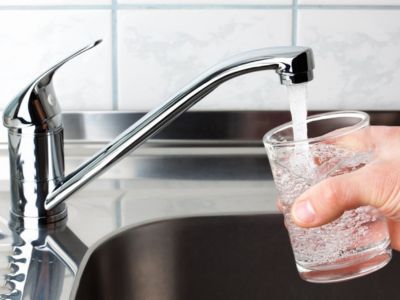 Annual backflow testing is vital not just for preventing water contamination in an individual plumbing system (such as a house, apartment complex, or business) but also for protecting public health. Even a seemingly small backflow event can have devastating effects on a massive scale. If that wasn’t enough, regular backflow testing also ensures that the home or business is up to code.
Backflow test results typically need to be sent to the local authorities to be checked and signed off on. For this reason, and to ensure that all backflow preventers are properly tested, backflow testing should only be performed by a certified backflow tester. This way, homeowners and business owners can enjoy peace of mind and know they’re doing their part for public safety this holiday season – and beyond!
About Great Day Plumbing & Air
Great Day Plumbing & Air is a local heating, air conditioning, and plumbing company serving Wilmington, NC, and the surrounding areas. They provide straightforward pricing, same-day services, and the latest technology. Call them today for backflow repair and testing in Wilmington, NC.
)
Distribution Links +
- lifestyle.pierrecountry.com
- lifestyle.kotaradio.com
- lifestyle.q923radio.com
- lifestyle.kynt1450.com
- lifestyle.all80sz1063.com
- lifestyle.myeaglecountry.com
- newsnetmedia.com
- atlanta.newsnetmedia.com
- augusta.newsnetmedia.com
- austin.newsnetmedia.com
- boise.newsnetmedia.com
- buffalo.newsnetmedia.com
- columbia.newsnetmedia.com
- columbus.newsnetmedia.com
- detroit.newsnetmedia.com
- fresno.newsnetmedia.com
- jacksonville.newsnetmedia.com
- losangeles.newsnetmedia.com
- minneapolis.newsnetmedia.com
- monterey.newsnetmedia.com
- myrtlebeach.newsnetmedia.com
- nashville.newsnetmedia.com
- norfolk.newsnetmedia.com
- odessa.newsnetmedia.com
- pittsburgh.newsnetmedia.com
- portland.newsnetmedia.com
- quincy.newsnetmedia.com
- sacramento.newsnetmedia.com
- saltlakecity.newsnetmedia.com
- sanantonio.newsnetmedia.com
- https://smb.theinteriorjournal.com
- https://smb.thetidewaternews.com
- https://smb.tryondailybulletin.com
- https://smb.winchestersun.com
- https://smb.farmvilleherald.com
- https://smb.salisburypost.com
- https://smb.shelbycountyreporter.com
- https://smb.smithfieldtimes.com
- https://smb.suffolknewsherald.com
- https://smb.thewashingtondailynews.com
- https://smb.thewetumpkaherald.com
- https://smb.cordeledispatch.com
- https://smb.lagrangenews.com
- https://smb.middlesboronews.com
- https://smb.roanoke-chowannewsherald.com
- https://smb.tallasseetribune.com
- https://smb.thepostsearchlight.com
- https://smb.valleytimes-news.com
- https://smb.lowndessignal.com
- https://pr.washingtoncitypaper.com
- https://smb.theleesvilleleader.com
- https://smb.prentissheadlight.com
- https://smb.beauregardnews.com
- https://pr.hattiesburg.com
- https://pr.bradfordvillebugle.com
- https://pr.boreal.org
- https://pr.stylemg.com
- https://pr.walnutcreekmagazine.com
- https://pr.thembnews.com
- https://pr.timesofsandiego.com
- https://pr.chestercounty.com
- https://pr.wncbusiness.com