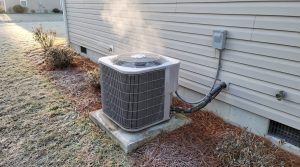
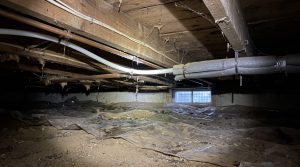
Quick Answer: To keep an outdoor faucet from freezing, unhook the garden hose, shut off the indoor valve that feeds the faucet, drain the line, and cover the spigot with an insulated faucet cover. If your house sits up on pilings or a crawl space, wrap the exposed pipe under the house too. Do it before the first hard freeze, not after.
The fastest way to keep an outdoor faucet from freezing is to get the water out of it before the cold hits. Outdoor faucets sit on the coldest side of your home, so they freeze first. A frozen spigot can split the pipe behind your wall, and you may not see the leak until spring. Here in Hampstead, Topsail Island, and Wilmington, the National Weather Service already issued freeze warnings on November 14 and 15, 2026, so now is the time to act.
Great Day Plumbing and Air has served coastal North Carolina homeowners since 2022. Below are 5 steps that work for most homes here, plus answers to the questions people ask most when the forecast drops into the 20s.
Why Do Outdoor Faucets Freeze Before Indoor Pipes?
Outdoor faucets freeze first because they sit outside your heated living space with almost nothing protecting them. The metal spigot and the short pipe behind it pick up cold air and wind all night long. Indoor pipes stay warmer because your heat surrounds them.
Coastal homes face an extra problem. Many houses near Topsail Beach and Surf City sit up on pilings, so the pipes feeding outdoor faucets run under the house in open air. Wind off the water pulls heat out of those lines fast. A crawl space with open vents works the same way.
How to Keep an Outdoor Faucet From Freezing in 5 Steps
These 5 steps take about 15 minutes per faucet. Do them in order, and do every outdoor faucet on the house.
Step 1: Unhook the Garden Hose
Disconnect every hose, splitter, and hose timer from the spigot. A connected hose traps water inside the faucet. When that water freezes, it expands back into the pipe and can crack it inside your wall. Drain the hose and store it in a garage or shed.
Step 2: Shut Off the Indoor Valve
Find the shutoff valve that feeds the outdoor faucet and turn it off. Look in the crawl space, a utility room, a garage wall, or under a sink on the same wall as the faucet. Not every home has one. If you can’t find yours, skip to the section below on homes with no indoor shutoff.
Step 3: Drain the Line
Go back outside and open the outdoor faucet all the way. Let the leftover water run out until it stops. If your indoor valve has a small drain cap, open it over a bucket to empty the last bit of water. Then close the outdoor faucet loosely.
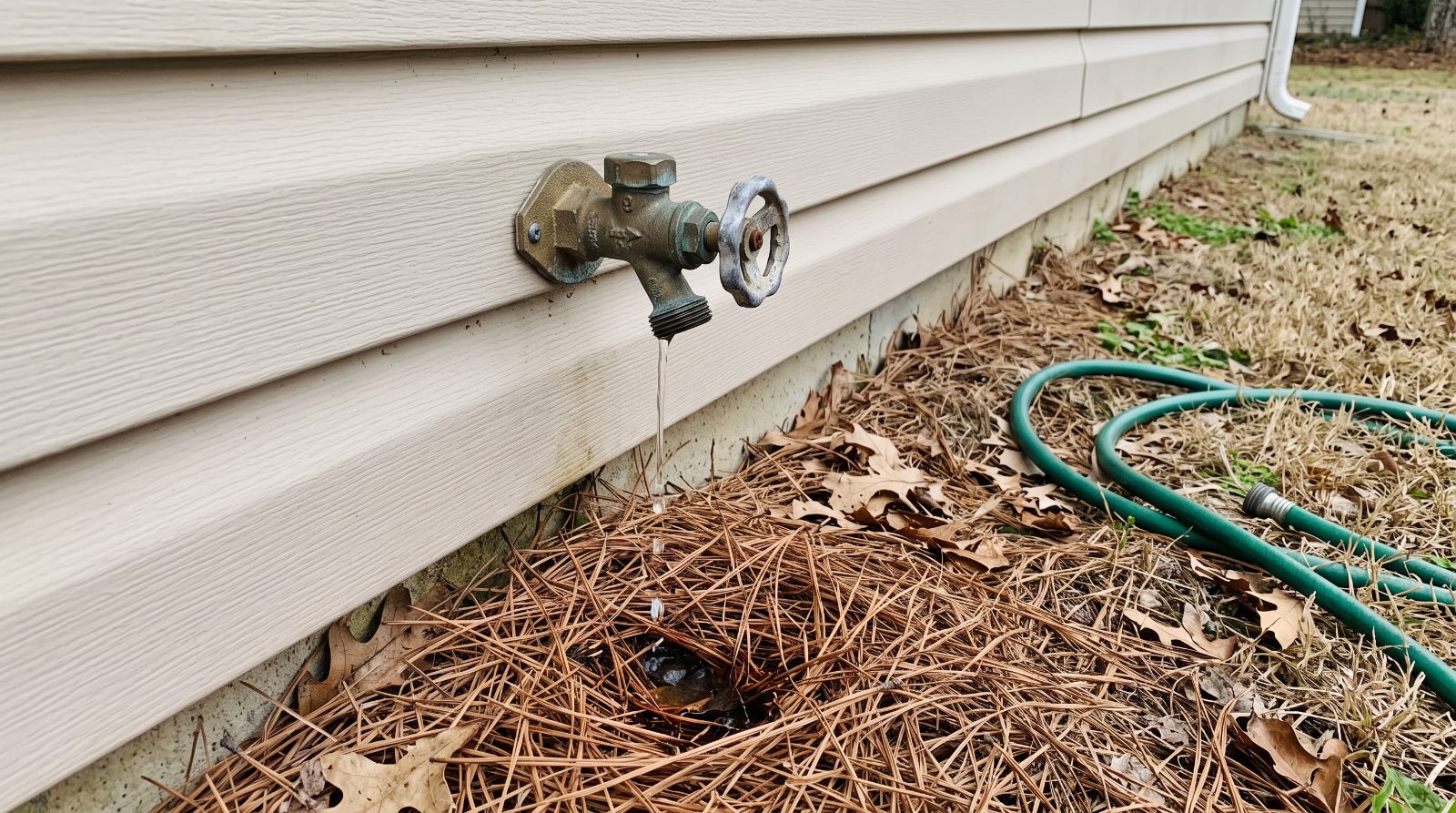
Step 4: Cover the Spigot
Slip an insulated faucet cover over the spigot and pull it tight against the wall. You can buy foam or hard-shell covers at any hardware store for a few dollars. The cover holds in a little warmth from the house and blocks the wind.
Step 5: Insulate Any Exposed Pipe Under the House
If you can see the pipe that feeds the faucet, wrap it in foam pipe insulation. This step matters most for raised homes and vented crawl spaces. Close crawl space vents for the winter if your home has them, and keep your thermostat at 55 degrees or higher, even when you leave town.
What Can I Put on My Outside Faucet to Keep It From Freezing?
An insulated faucet cover works best for keeping an outside faucet from freezing. Foam domes and hard plastic covers both work. Pick one with a loop or cord that hooks around the faucet handle, so you can pull it tight against the siding with no gaps.
A cover helps a faucet that you already drained. It can’t fully protect a faucet that still has water sitting in it and a hose attached. Think of the cover as the last layer, after steps 1 through 3.
Will Wrapping a Towel Around an Outdoor Faucet Keep It From Freezing?
A towel can help in a pinch, but only if you keep it dry. A wet towel freezes solid and holds cold against the faucet. If you have no cover, wrap the faucet in an old towel or rag, then wrap a plastic bag tightly over it and tape it shut. Swap it for a real faucet cover as soon as you can.
No Indoor Shutoff? Faucet Still Dripping After You Close It?
Our plumbers can add a shutoff valve or install a frost-free faucet before the next cold night in Hampstead, Topsail Island, or Wilmington. Call (910) 807-7990 or book a visit online.
Book a Freeze-Prep Plumbing VisitAt What Temperature Will an Outside Faucet Freeze?
An outside faucet can freeze once temperatures drop to around 28 degrees or lower for four hours or more. Pipes in the open, like a spigot or the pipe under a raised home, freeze sooner than pipes inside walls. Wind makes it worse because it pulls heat away faster.
That means you don’t need a historic cold snap to have a problem. A clear, windy night in the mid 20s is enough to freeze an outdoor faucet near the coast. Treat any forecast low of 28 or below as your signal to finish all 5 steps. For the full breakdown on indoor pipes, see what temperature pipes freeze in coastal homes.
Do Frost-Free Outdoor Faucets Still Freeze?
Frost-free outdoor faucets rarely freeze, but they can if you leave a hose attached. A frost-free faucet shuts the water off deep inside the wall, where the house stays warm. When you close it, the water left in the long stem drains out the spout. A connected hose blocks that drain, so the water stays put and freezes.
To tell if you have one, look at the faucet. A frost-free model usually has a longer body behind the handle, and the valve sits several inches inside the wall. If it still drips after you shut it off, the washer inside may be worn. That’s a quick fix for a plumber.
What If Your Home Has No Indoor Shutoff Valve?
If your outdoor faucet has no indoor shutoff, you still have options. First, unhook the hose and put on an insulated cover. On the coldest nights, you can let the outdoor faucet drip very slowly so water keeps moving. You can also shut off the main water to the house overnight, then open the outdoor faucet to drain it.
For a long-term fix, a plumber can add a shutoff valve or swap the old spigot for a frost-free faucet. Both jobs are small, and they save you from doing this dance every winter. Our plumbing repair services in Hampstead and Wilmington cover both.
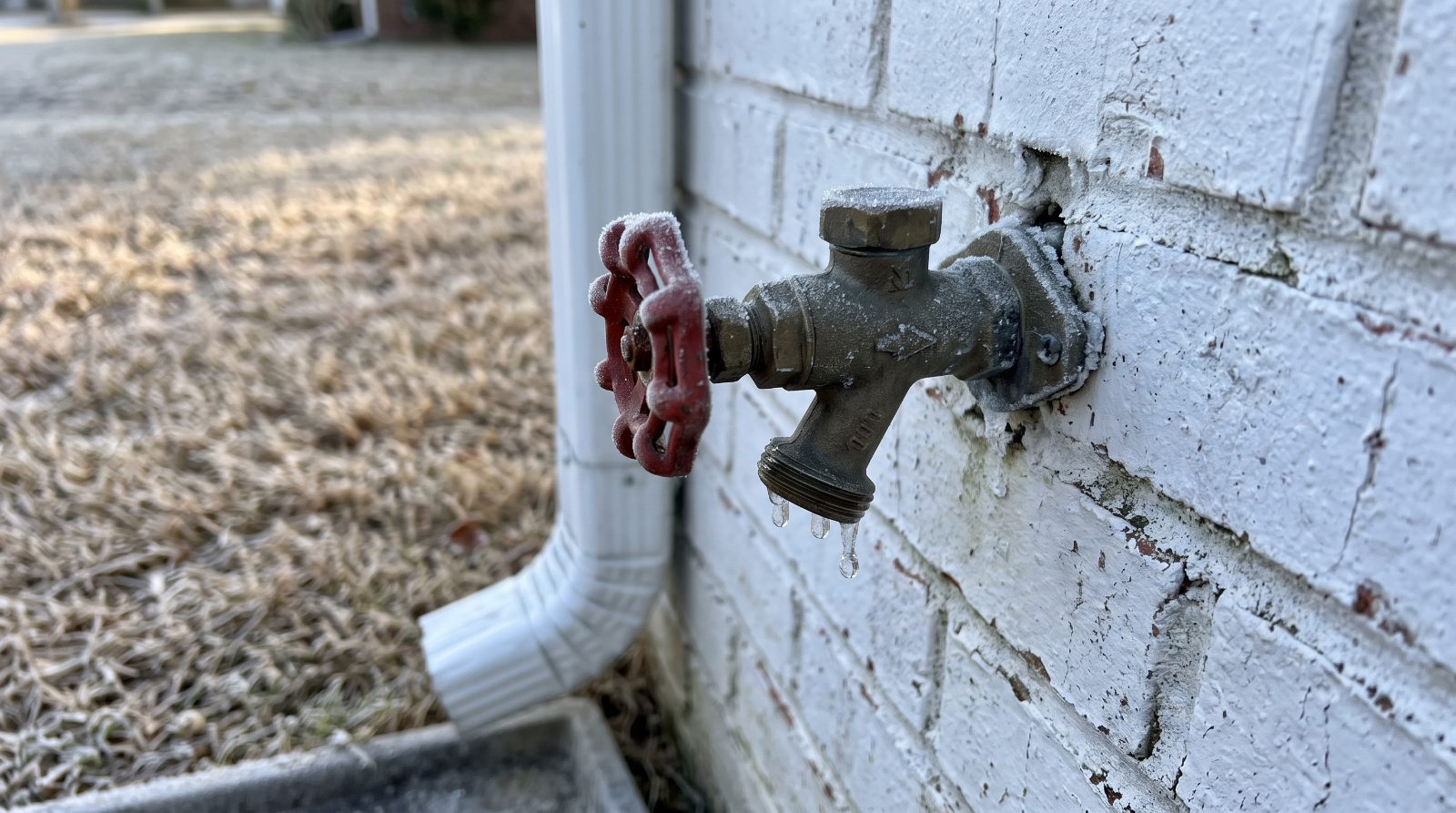
What Should You Do If Your Outdoor Faucet Is Already Frozen?
If your outdoor faucet is already frozen, shut off the water that feeds it first, then thaw it slowly. Leave the outdoor faucet open so melting water has somewhere to go. Warm the spigot and the pipe behind it with a hair dryer or a heating pad, starting closest to the faucet and working back toward the wall.
- Never use a torch, a lighter, or any open flame on a frozen pipe
- Don’t pour boiling water on the faucet, since sudden heat can crack it
- Keep the indoor valve closed until you know the pipe didn’t split
Once it thaws, turn the water back on slowly and watch the wall, the siding, and the space under the house for drips. If you can’t thaw it, or you can’t reach the pipe, call a plumber before the next cold night.
Signs Your Outdoor Faucet Already Froze and Cracked
A frozen faucet doesn’t always leak right away. The pipe often cracks while frozen, then leaks once it thaws. Watch for these signs after a cold night:
- No water comes out when you open the faucet (it may still be frozen)
- Water sprays or drips from behind the faucet or the siding when you turn it on
- A wet spot or puddle on the inside wall, crawl space floor, or ceiling below
- Your water bill jumps with no change in how you use water
- Low water pressure at the outdoor faucet after a freeze
If you see any of these, shut off the water to that faucet and call a plumber. A hidden leak inside the wall can rot wood and grow mold fast. Our team can track down where the water is going and repair the line.
Do Beach Homes Need Extra Freeze Protection?
Yes. Beach homes and second homes need extra freeze protection because nobody is there to catch a problem early. A split faucet line can run for days before anyone notices. If you own a rental or vacation home on Topsail Island, shut off and drain every outdoor faucet before you leave, and set the heat no lower than 55 degrees.
Our team serves owners all along the coast. Learn more about our plumber service for Topsail Beach homes. If you’re closing up a second home for the season, our vacation home winterizing checklist covers the rest of the house.
Want a Plumber to Check Your Home Before the Next Freeze?
A yearly plumbing visit catches worn faucets, missing shutoffs, and bare pipes before winter turns them into leaks. Members of our Great Day Advantage Plan maintenance membership get a plumbing visit every year.
Worried About Your Pipes This Winter?
Great Day Plumbing and Air serves Hampstead, Topsail Island, and Wilmington. Call (910) 807-7990 or send us a message.
Contact Great Day Plumbing and Air